Back to countries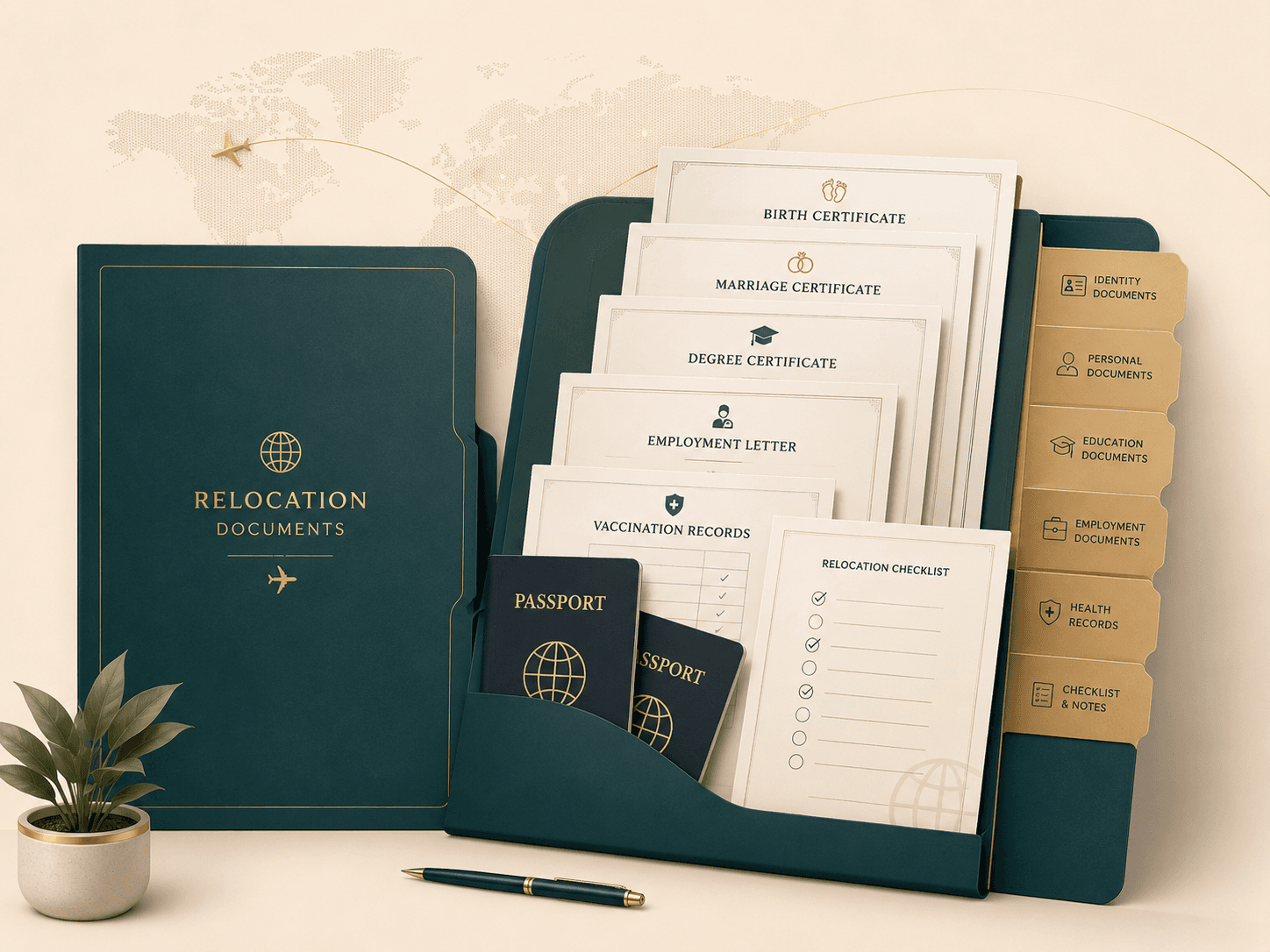
Deep guideLow content riskReviewed 17 June 2026
India to Singapore Relocation Starter Kit
A practical starter guide for Indian tech professionals and families moving to Singapore on work passes or family dependent routes.
Use this as a practical planning guide. Costs, rents, school fees, rules, and service availability change. Verify current information directly with official sources, providers, and qualified professionals.
Who this guide is for
Indian professionals and families preparing for a Singapore move, especially those handling offer decisions, rent, school, banking, local SIM, Indian OTPs, groceries, commute, and first-month settlement.
Tech professionalsFamilies on EP or Dependant PassFirst-time Singapore movers
Real move story placeholder
A typical family lands with a job offer, temporary stay, Indian bank OTP dependencies, school questions, and rental uncertainty. The first win is not a perfect house. It is getting connected, keeping documents ready, understanding neighbourhood tradeoffs, and avoiding rushed decisions in the first week.
Before accepting the offer
- Check salary against realistic rent, school, childcare, transport, groceries, tax, medical, and first-month setup costs.
- Clarify relocation allowance, flights, temporary accommodation, moving support, family pass support, school allowance, and insurance coverage.
- Compare office location, school needs, commute time, and rental area before assuming a package is comfortable.
- Do not assume spouse work rights, school admission, rental approval, or long-term stay outcomes without checking current official sources.
Cost of living planning
- Estimate rent, school, childcare, transport, groceries, utilities, insurance, and first-month setup separately.
- Use current rental listings and school fee pages before accepting an offer.
- Keep a buffer for deposits, temporary stay, furniture, and appliance purchases.
Rental areas and commute reality
- Research MRT access, bus routes, office commute, school commute, grocery access, and late-night return options.
- Compare HDB versus condo based on family needs and budget.
- Avoid transferring money before verifying property and agent details directly.
Schooling and childcare planning
- List school or childcare options before choosing a rental area.
- Check curriculum, fees, waitlists, commute, and admission timing directly with schools.
- Keep school records, vaccination records, and previous transcripts ready.
House setup after rental
- Plan WiFi, electricity, furniture, appliances, TV or streaming, kitchen setup, cleaning supplies, and delivery timing.
- Track key collection, inspection photos, meter readings, mover delivery tickets, and first-week groceries.
- Set up sleeping basics first so the family can settle before full furniture delivery.
Documents checklist
- Passports with validity buffer
- Employment, offer, and pass-related documents
- Marriage and birth certificates for family move
- Education certificates and school records
- Medical prescriptions and vaccination records
- Driving licence and IDP research where relevant
- Digital and printed copies in one organised document folder
Day 1 to 7
First 7 days
- Activate a local SIM or roaming backup and keep Indian SIM active for bank OTPs.
- Set up transport, map, taxi, and local payment apps where applicable.
- Confirm temporary stay, arrival transport, and basic food options.
- Keep official pass and appointment instructions handy.
- Short-list neighbourhoods based on MRT, office, school, groceries, and budget.
Day 8 to 30
First 30 days
- Begin rental search carefully and avoid advance transfers to unverified parties.
- Compare HDB, condo, distance from MRT, commute, school route, deposit, and furniture status.
- Set up utilities, broadband, mobile plan, furniture, appliances, and kitchen basics.
- Explore Indian groceries, supermarkets, vegetarian food, temples, and community groups near likely neighbourhoods.
- Open or activate a local bank account where eligible and check remittance options directly.
Day 31 to 90
First 90 days
- Stabilise family routine, school or childcare, healthcare options, commute rhythm, and monthly budget.
- Review Indian banking status, NRE / NRO questions, tax residency, and investment implications with qualified professionals if needed.
- Build a local support network through workplace, community, neighbourhood groups, temples, and family-friendly activities.
- Review actual costs after 2 to 3 months instead of relying only on pre-move estimates.
Daily living context
Weather, food, culture, transport, safety, and community
Weather and clothing
- • Singapore is humid and rainy, so breathable office wear, comfortable shoes, and rainwear matter.
- • Formal wear may still be needed for interviews, client meetings, and office events.
Food and groceries
- • Research supermarkets, Indian provision stores, vegetarian food, tiffin options, and online shopping near likely areas.
- • Do not overpack heavy groceries without checking customs and airline rules.
Culture, rules, and etiquette
- • Understand local rules, fines, cleanliness expectations, queuing, public transport etiquette, and housing norms.
- • Use official sources for rules and community advice only as practical context.
Transport and commute
- • Plan MRT, bus, airport transfer, taxi apps, school route, and office commute.
- • Driving and car rental requirements should be checked directly from official or provider sources.
Safety and neighbourhood comfort
- • Check lighting, commute route, family comfort, school travel, nearby clinics, and emergency contacts.
- • Visit the area at different times if possible before committing to a lease.
Community and support
- • Look for Indian community groups, temples, Maharashtra Mandal style groups, kids playgroups, workplace groups, and neighbourhood support.
- • Use community suggestions as starting points, not guarantees.
Indian family tips
- Carry initial spices and medicines with prescriptions, but do not overpack heavy items.
- Keep a low-cost Indian mobile plan active if it supports international SMS roaming.
- Shortlist vegetarian-friendly areas and Indian grocery access before signing a lease.
- Buy business suits, ties, formal shoes, rainwear, and essential medicines in India where practical and allowed.
- Plan dental checks, eye checks, prescriptions, and kids vaccination records before departure.
Common mistakes to avoid
- Judging affordability only by gross salary.
- Rushing into a lease before understanding commute, school, groceries, and family routine.
- Ignoring Indian OTP dependencies.
- Assuming all advice from forums is current.
- Forgetting first-month deposits, furniture, WiFi setup, appliances, and temporary stay cost.